
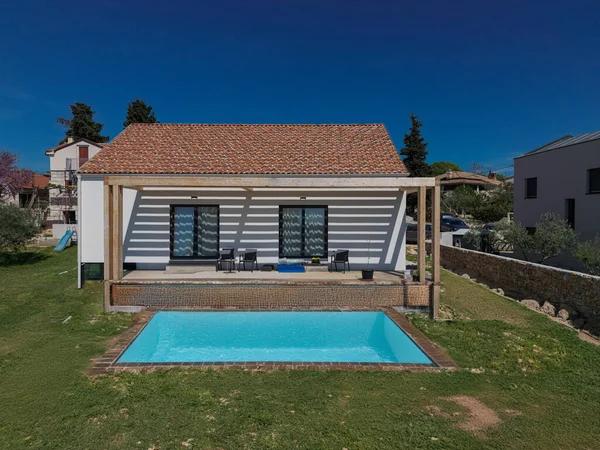
Constructing a custom swimming pool is an exciting way to enhance your outdoor living space, offering both relaxation and entertainment. The process begins with careful planning, where you determine the size, shape, and style that best fit your property and personal preferences. It is essential to consider factors such as available space, budget, and how you intend to use the pool. Whether you prefer a sleek modern design or a natural lagoon-style pool, understanding these elements upfront helps guide the entire project smoothly.
Once the initial concept is clear, selecting a reputable pool contractor becomes crucial. Experienced professionals can provide valuable insights into design options, materials, permits, Nassau Pools and Spas timelines. They will assess your yard’s topography and soil condition to ensure proper drainage and structural integrity. During this phase, it is also important to discuss features like lighting, heating systems, water circulation pumps, safety barriers, and landscaping integration. These aspects not only improve functionality but also add aesthetic appeal.
After finalizing designs and obtaining necessary permits from local authorities-often required for construction-the site preparation begins. This involves excavation according to precise measurements followed by installing plumbing lines for water supply and filtration systems. The foundation of the pool shell is then constructed using materials such as concrete or fiberglass panels depending on your chosen type of pool. Concrete pools offer flexibility in shapes but require longer curing times; fiberglass pools are quicker to install but come in predefined forms.
Following shell installation comes surface finishing which may include plastering or tiling depending on desired texture and color schemes. Proper finishing ensures durability while providing a smooth surface safe for swimmers. Next steps involve setting up electrical components for lighting and heating along with testing all mechanical systems thoroughly before filling the pool with water.
The final stage focuses on landscaping around the swimming area which enhances privacy while creating an inviting atmosphere suitable for gatherings or quiet enjoyment alike. Incorporating plants that thrive in humid environments alongside non-slip decking materials contributes both beauty and safety.
Maintaining a custom swimming pool requires regular cleaning routines including skimming debris off surfaces as well as monitoring chemical levels like chlorine or pH balance to keep water clean and clear throughout seasons.
By following these detailed steps from planning through installation to maintenance with professional support at every stage ensures your custom swimming pool meets expectations perfectly while adding lasting value to your home environment.