
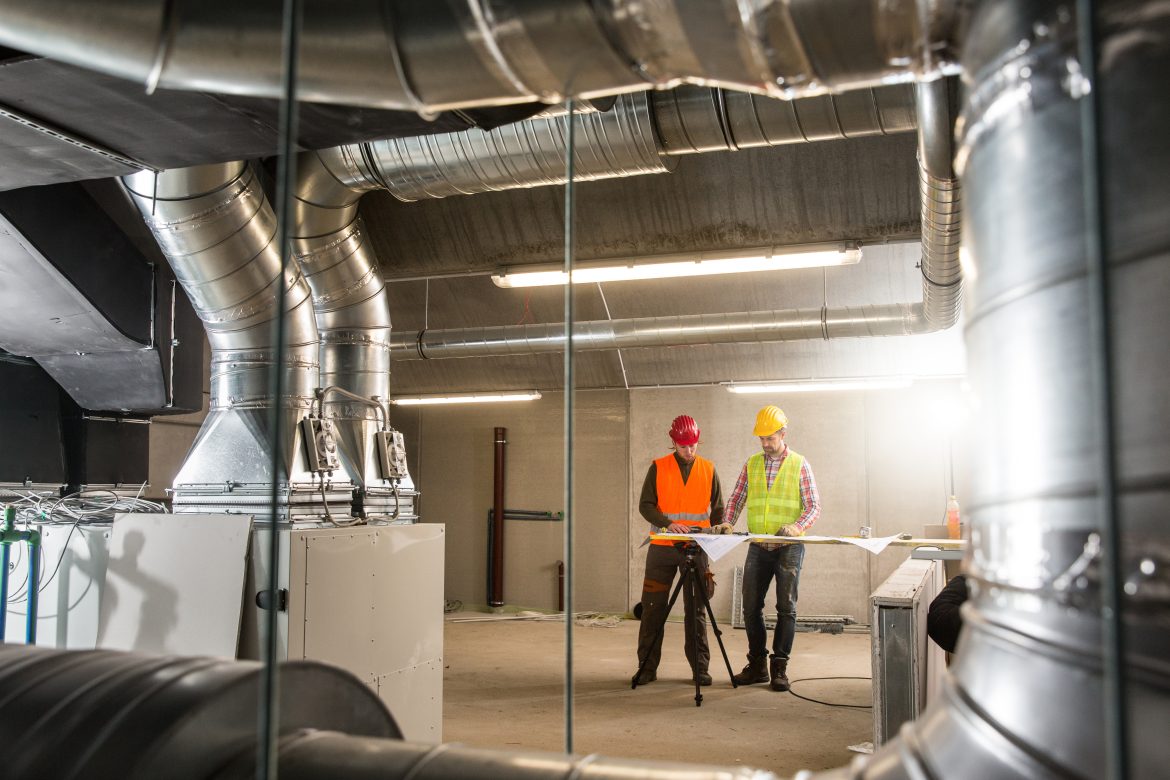
Designing scalable HVAC infrastructure for large facilities requires a strategic approach that balances current needs with future growth and technological advancements. Large buildings, such as commercial complexes, hospitals, or industrial plants, demand systems capable of handling substantial heating, ventilation, and air conditioning loads efficiently while allowing flexibility for expansion or modification. The foundation of scalability lies in selecting equipment and system layouts that accommodate incremental increases in capacity without complete overhauls.
One critical aspect is the modular design of HVAC components. Modular units can be added or removed based on changing demands, which simplifies maintenance and reduces downtime during upgrades. This approach contrasts with monolithic systems that are difficult to modify once installed. By using standardized modules click here for more information chillers, boilers, air handlers, and control units, facility managers can tailor operations to specific zones within the building while maintaining overall system harmony.
Integration with advanced control systems also enhances scalability. Modern building automation systems (BAS) enable precise monitoring and management of temperature zones independently. These controls optimize energy consumption by adjusting operation schedules according to occupancy patterns and external weather conditions. Additionally, they provide valuable data analytics that inform decisions about when to expand capacity or upgrade components.
Another important consideration is ductwork design and airflow management. Designing ducts with sufficient space and flexibility allows easy rerouting or addition of branches as new areas come online within the facility. Oversizing ducts slightly during initial construction provides room for increased airflow without compromising efficiency or comfort levels later on.
Energy efficiency should remain a priority throughout the design process because sustainable operation reduces long-term costs significantly. Incorporating variable frequency drives (VFDs) on motors helps adjust fan speeds dynamically instead of running at full power constantly. High-efficiency heat exchangers improve thermal transfer rates while minimizing energy waste.
Collaboration between architects, engineers, contractors, and end-users ensures that all perspectives are considered when planning scalable HVAC infrastructure. Early involvement from stakeholders helps identify potential challenges related to space constraints or budget limits before installation begins.
Finally, regular maintenance plans play a crucial role in preserving system performance over time. Preventive upkeep prevents minor issues from escalating into costly repairs that could disrupt service across large facilities where uninterrupted climate control is essential.
In summary, designing scalable HVAC infrastructure involves modularity in equipment selection; flexible ductwork; integration with intelligent controls; focus on energy efficiency; collaborative planning; and diligent maintenance strategies tailored specifically for expansive environments requiring adaptable climate solutions now and into the future.