
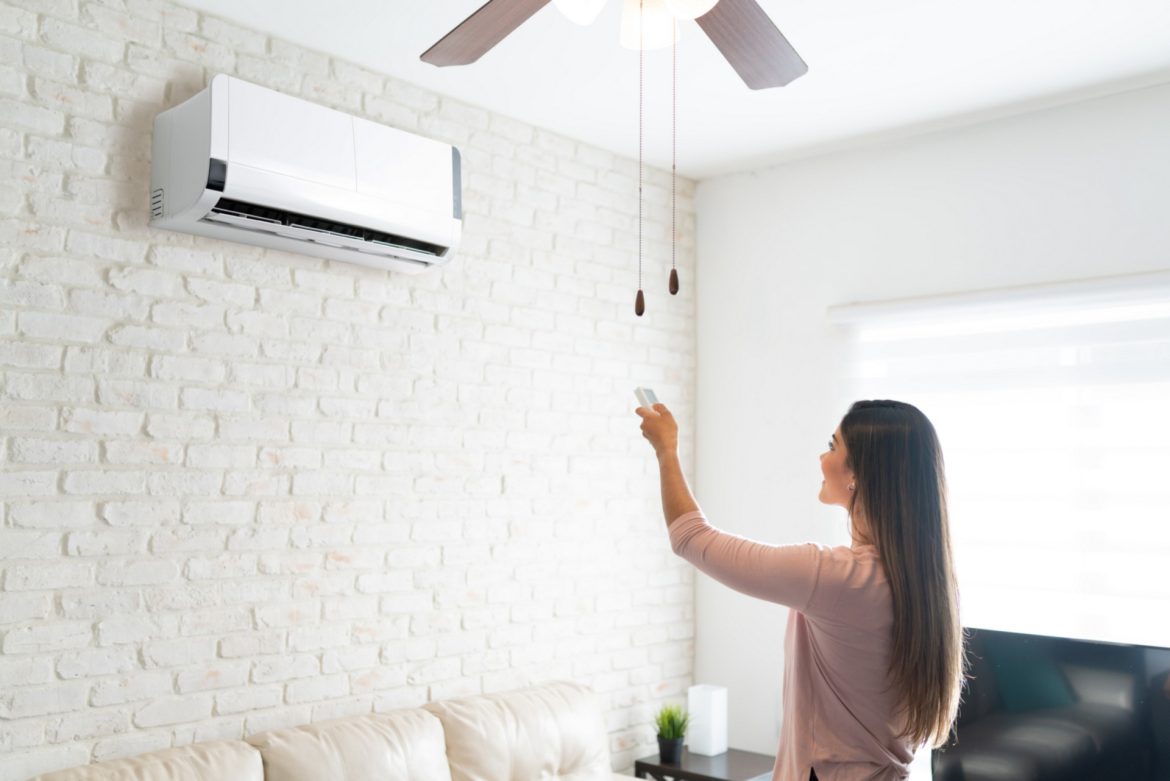
Selecting the right mini split system for your home or office involves careful consideration of several factors to ensure efficient and effective climate control. Mini splits, also known as ductless air conditioners, are popular for their flexibility, energy efficiency, and ease of installation. However, choosing the appropriate unit requires understanding your specific cooling and heating needs along with the space’s characteristics. The first step is to evaluate the size of the area you want to condition. Mini splits come in various capacities measured in British Thermal Units (BTUs), which indicate how much heat a unit can remove or add per hour. A unit that is too small will struggle to maintain comfortable temperatures, while one that is too large may cycle on and off frequently, leading to inefficiency and increased wear. Calculating the square footage accurately helps narrow down options; generally, about 20 BTUs per square foot is a good starting point but adjustments should be made based on insulation quality, ceiling height, window exposure, and local climate conditions.
Next, consider whether you need single-zone or multi-zone systems. Single-zone mini splits serve one room or area with one indoor air handler connected to an outdoor compressor. Multi-zone units allow multiple indoor air handlers connected to a single outdoor unit so different rooms can be controlled independently from each other. This option suits offices or homes where temperature preferences vary by space or when multiple rooms require conditioning without installing separate systems.
Energy efficiency ratings are crucial when selecting a Mini Split because they directly impact operating costs over time. Look for models with high Seasonal Energy Efficiency Ratio (SEER) ratings for cooling performance and Heating Seasonal Performance Factor (HSPF) ratings if heating capability is needed. Higher-rated units typically cost more upfront but provide significant savings through reduced electricity usage.
Installation considerations include placement of both indoor and outdoor components for optimal airflow and minimal noise disruption. Indoor units should be positioned away from direct sunlight or heat sources while allowing unobstructed air circulation across the room’s main living areas or workspaces.
Finally, check warranty terms and manufacturer reputation before making a purchase decision since reliable customer support ensures peace of mind during maintenance or repairs.
By carefully assessing space requirements, zoning needs, energy efficiency standards, installation logistics, and product reliability you can select a mini split system tailored perfectly for your home or office environment that delivers comfort year-round efficiently and quietly without unnecessary complexity.