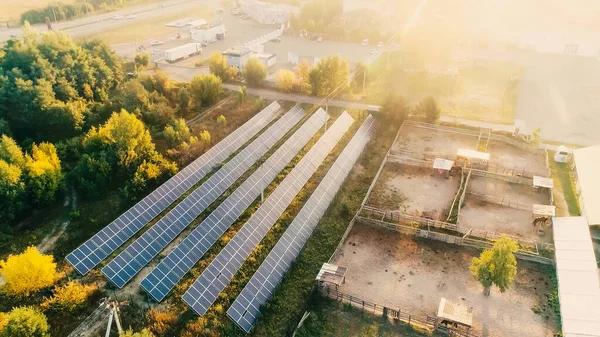
Maximizing the energy output of solar panels is essential for anyone looking to make the most of their renewable energy investment. Several practical steps can significantly enhance solar panel generation, ensuring efficiency and long-term benefits. One key factor is proper placement and orientation. Solar panels should face true south in the northern hemisphere or true north in the southern hemisphere to capture maximum sunlight throughout the day. The tilt angle must also be adjusted according to geographic location and seasonal changes, as this influences how directly sunlight hits the panels.
Keeping solar panels clean plays a crucial role in maintaining optimal performance. Dust, dirt, bird droppings, and debris can obstruct sunlight from reaching photovoltaic cells, reducing output by up to 25 percent or learn more here. Regular cleaning with water and a soft brush or sponge helps maintain surface transparency without damaging delicate components. It’s important to avoid harsh chemicals that could degrade panel coatings over time.
Shading is another critical consideration when aiming to boost solar power generation. Even partial shading from trees, buildings, or other obstructions can drastically reduce system efficiency because shaded cells limit current flow through an entire string of panels connected in series. Trimming nearby vegetation or relocating objects casting shadows during peak sun hours will improve overall energy collection.
Ensuring that wiring connections are secure and free from corrosion also impacts performance positively. Loose connections increase resistance within electrical circuits leading to energy loss; therefore, periodic inspections by qualified technicians help identify potential issues before they escalate into costly repairs or failures.
Upgrading inverter technology offers additional gains since modern inverters convert direct current (DC) generated by solar panels into alternating current (AC) more efficiently than older models. Microinverters or power optimizers installed on individual panels allow for better management of shading effects and mismatched panel outputs compared with central string inverters.
Monitoring systems provide valuable data about real-time production levels enabling users to detect underperformance quickly due to malfunctions or environmental factors like soiling or shading changes over time. Many monitoring solutions come with smartphone apps offering convenient access anywhere at any time.
Lastly, investing in high-quality components makes a difference over cheaper alternatives that may degrade faster under harsh weather conditions such as extreme heat, snow loads, hailstorms, or heavy rainfalls common across different regions worldwide.
By paying attention to installation details like orientation and tilt angle while maintaining cleanliness and addressing shading issues promptly combined with technological upgrades such as advanced inverters plus regular system monitoring ensures consistent improvement in solar panel generation capacity year-round without unnecessary complexity for users seeking reliable green energy solutions at home or business premises alike.